10/30/2026 8:00:00 AM
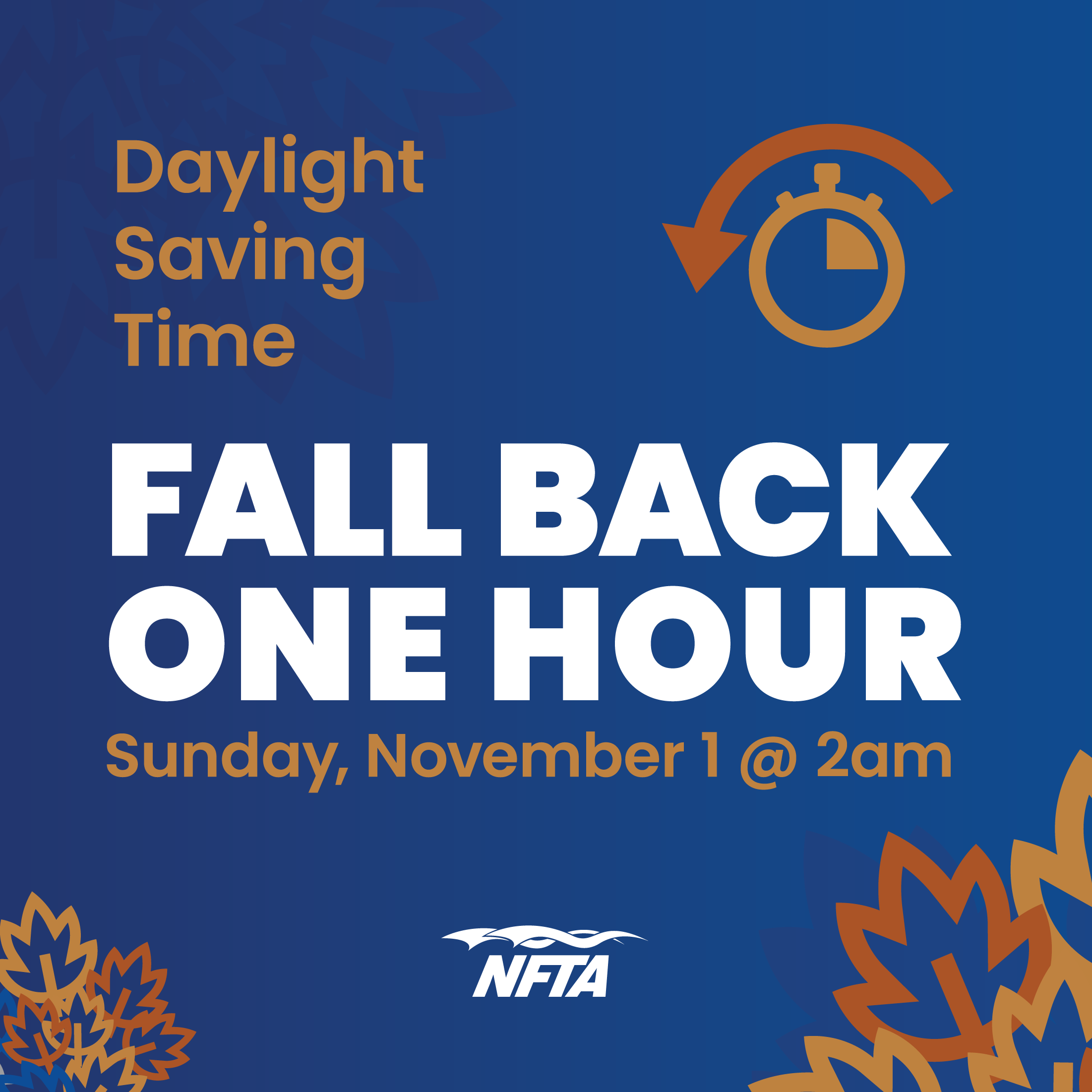
When daylight saving time ends on Sunday, November 1, 2026, at 2:00 a.m. local time (clocks fall back one hour to 1:00 a.m.), the primary benefit is gaining an extra hour of sleep on the night of the transition.
Key Benefits of Returning to Standard Time:
- Extra Sleep: You pick up one additional hour of rest on the night the clocks turn back.
- Lighter Mornings: The sun rises an hour earlier on the clock, providing more natural daylight during early-morning commutes, school runs, and breakfast.
- Circadian Alignment: Standard time better matches our biological sleep-wake cycles (circadian rhythms) with the natural solar day during the winter months, offering relief from the mismatched dark mornings caused by summer clock settings.
The Trade-Offs to Keep in Mind:
- Earlier Sunsets: The sun sets much earlier in the evening, dropping between 4:30 p.m. and 5:00 p.m. across the northern United States, meaning most people leave work or school in the dark.
- Seasonal Mood Shifts: The sudden reduction in afternoon sunlight can trigger the "winter blues."